
Why Your Subfloor Matters More Than You Think
When people shop for new flooring, they usually focus on color, style, and material. Hardwood or luxury vinyl? Carpet or tile? While those decisions are important, there's another part of the project that often determines how well your new floor performs over time: the subfloor.
At Kolden Renovations, we believe a beautiful floor starts with a solid foundation. That's why every installation begins with a careful inspection of the subfloor before a single plank or tile is installed.
What Is a Subfloor?
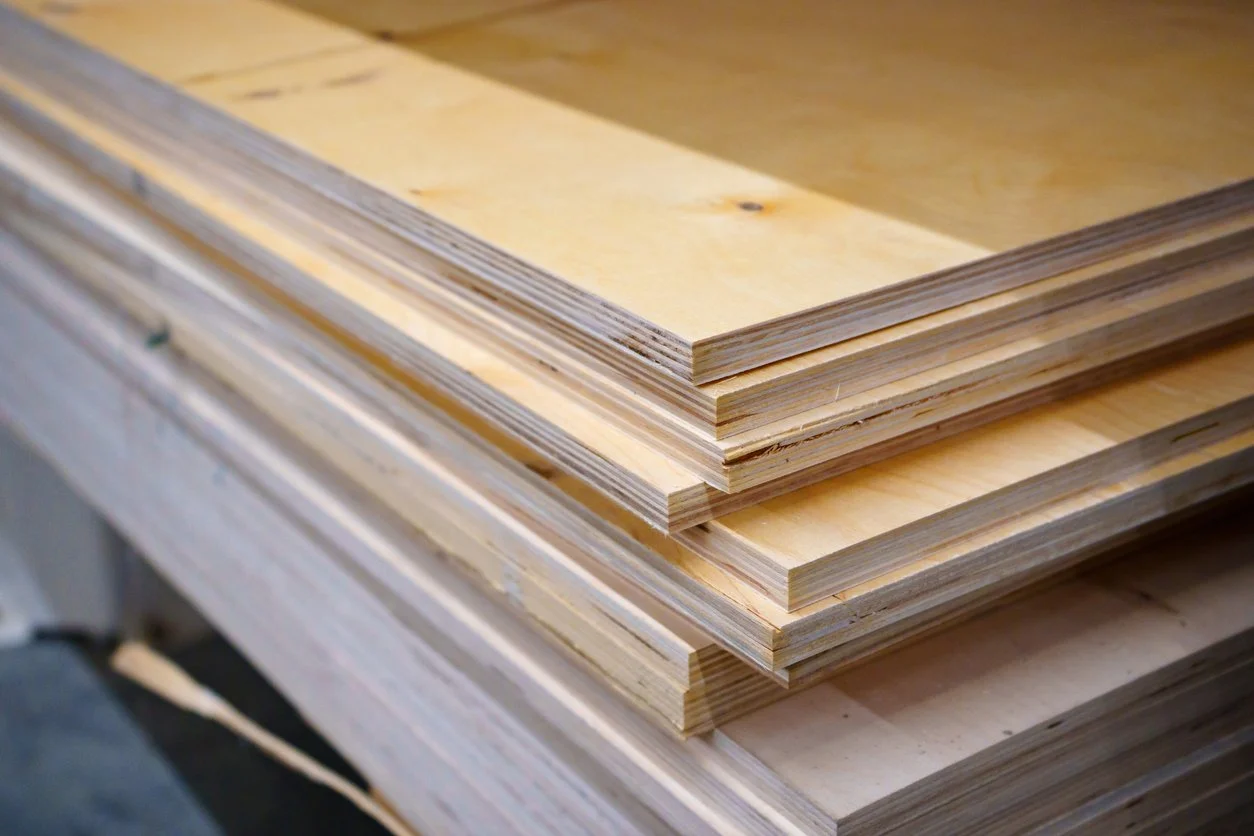
The subfloor is the structural surface beneath your finished flooring. In most homes, it's made of plywood or OSB (oriented strand board), though some homes have concrete slab foundations.
Your finished flooring is only as good as the surface underneath it. Even the highest-quality flooring can develop problems if it's installed over a subfloor that's uneven, damaged, or unstable.
Does Every Floor Need to Be Perfectly Level?
Not necessarily.
This is one of the biggest misconceptions homeowners have.
Many flooring manufacturers don't require the floor to be perfectly level. Instead, they require it to be flat.
A floor can have a slight slope and still be perfectly acceptable. For example, an older home may naturally slope slightly from one side of the room to the other because the house has settled over time.
That isn't usually a problem.
What matters more are sudden high spots, low spots, dips, humps, or uneven transitions that prevent the flooring from laying properly.
When Does a Subfloor Need to Be Leveled?
Depending on the flooring material, manufacturers typically specify how much variation is acceptable over a certain distance. If the floor exceeds those tolerances, corrective work is recommended before installation.
Common reasons to level a subfloor include:
Noticeable dips or valleys
Raised seams between subfloor panels
Previous water damage
Uneven concrete slabs
Areas where old flooring has been removed
High spots that prevent flooring from locking together properly
Addressing these issues before installation helps prevent future problems and creates a much better finished product.
What Is Self-Leveling Compound?
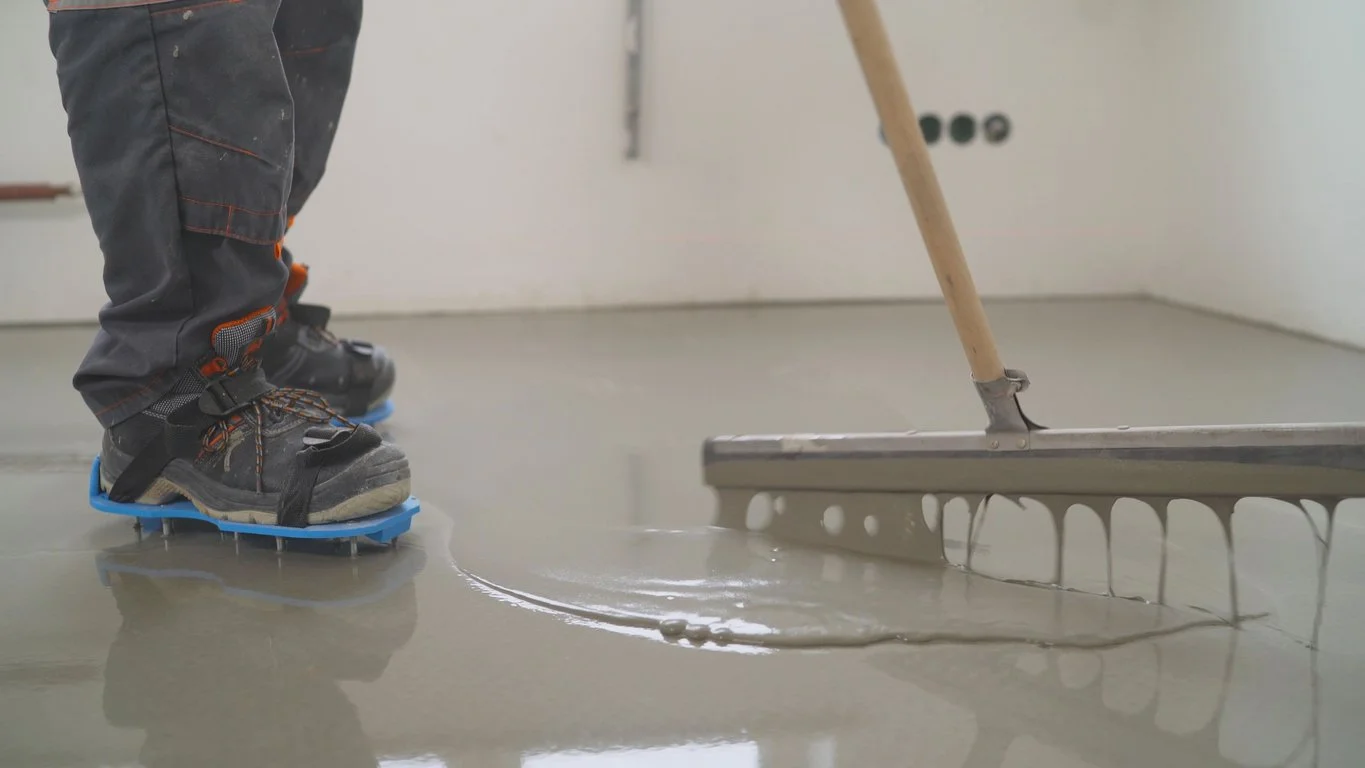
Self-leveling compound is a cement-based product used to fill low spots in concrete or wood subfloors. Once poured, it flows into depressions and creates a smoother, flatter surface for new flooring.
Despite the name, it isn't quite as simple as pouring it onto the floor and walking away.
Proper preparation is essential. The subfloor often needs to be cleaned, primed, and sealed before the product is applied. Expansion gaps and openings also need to be protected so the compound stays where it's belongs.
When installed correctly, self-leveling compound creates an excellent foundation for luxury vinyl, laminate, engineered hardwood, and tile.
When Is Self-Leveling Not Necessary?
Not every project needs self-leveling.
Sometimes a minor high spot can simply be sanded down. Other times, a small depression can be corrected with patching compound instead of leveling an entire room.
Older homes often have minor slopes that have been stable for decades. If those slopes don't exceed the flooring manufacturer's requirements, there's usually no reason to try to make the floor perfectly level.
At Kolden Renovations, we don't recommend unnecessary work. If your subfloor is already suitable for installation, we'll tell you.
Why Proper Preparation Saves Money
Skipping subfloor preparation may save money today, but it can lead to expensive repairs later.
An uneven subfloor can contribute to:
Floors that squeak or flex
Separated seams
Cracked tile or grout
Hollow spots beneath flooring
Premature wear
Manufacturer warranty issues
Taking the time to prepare the subfloor helps ensure your new flooring looks better, feels more solid underfoot, and lasts for years to come.
Every Flooring Project Starts with a Careful Evaluation
Every home is different, which is why there's no one-size-fits-all approach to subfloor preparation. During your estimate, we'll inspect your existing floor, identify any areas of concern, and recommend only the work that's necessary to create a long-lasting installation.
Whether you're installing hardwood, luxury vinyl, laminate, carpet, or tile, Kolden Renovations is committed to doing the job right from the ground up. If you're planning a flooring project in White Bear Lake or anywhere in the Twin Cities, contact us today to schedule your free estimate.