
Snow, Salt & Slush: Get Your Floors Ready for a Minnesota Winter
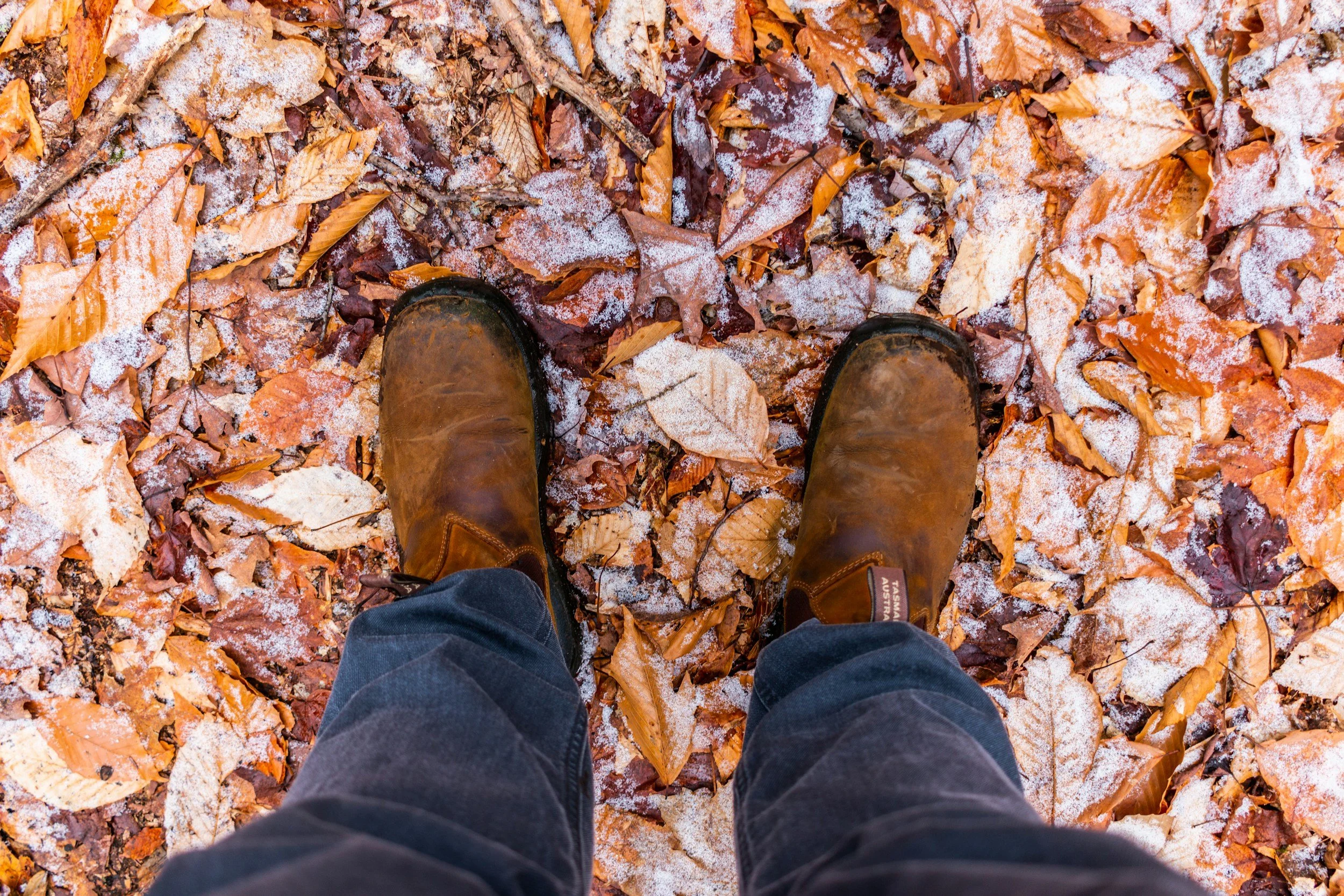
Minnesota winters have a way of finding their way inside.
Snow gets packed into boot treads. Road salt follows us home from parking lots and sidewalks. Sand collects around the front door. Then everything melts into a puddle the moment it hits a warm house.
Whether you're coming home from a Wild game in St. Paul, taking the kids sledding, or simply shoveling the driveway for what feels like the third time that week, your floors eventually deal with the aftermath.
A little preparation in the fall can help protect your flooring from months of snow, salt, moisture, and Minnesota winter life. Here's how to get your floors ready before the first real snowfall arrives.
Start With Your Entryway
Every Minnesotan knows the annual entryway transformation.
In September, there might be a couple pairs of sneakers by the door. By January, it's winter boots, hats, mittens, snow pants, hockey bags, and enough road salt to cover a small parking lot.
Your entryway is your first line of defense.
Before winter arrives, make sure you have a designated place for wet shoes and boots. Waterproof boot trays are particularly useful because they prevent melting snow from sitting directly on the floor.
If your home has multiple entrances, don't forget about the garage and back door. Sometimes those are actually the highest-traffic entrances during winter.
Try the Two-Mat System
One of the easiest ways to protect your floors costs very little.
Place one durable mat outside your entrance to remove larger chunks of snow and debris, then place an absorbent mat immediately inside the door to catch remaining moisture.
The goal is to stop as much snow, sand, and salt as possible before it reaches the rest of your house.
Just remember to periodically lift indoor mats and check underneath them. Moisture trapped beneath a rug or mat can damage certain flooring materials.
Don't Let Road Salt Sit on Your Floors
Road salt is particularly tough on flooring.
Salt residue can leave a cloudy white film on tile, hardwood, laminate, and luxury vinyl. Small salt and sand particles can also act like abrasives when they're repeatedly walked across a floor.
Vacuuming or sweeping frequently during winter helps remove those particles before they scratch or dull your flooring.
If you notice salt residue, follow the cleaning recommendations for your specific flooring material rather than reaching for a harsh household cleaner.
Keep Snow and Water Away From Hardwood
Hardwood floors can handle Minnesota winters beautifully, but standing water and wood aren't a good combination.
If snow melts onto hardwood, wipe it up promptly rather than allowing it to evaporate on its own.
Pay particular attention to areas around exterior doors where water can collect without being noticed.
You may also want to establish a boots-off rule during the winter. Your hardwood will thank you, even if your kids don't.
Watch Your Indoor Humidity
Water from boots isn't the only winter moisture issue Minnesota homeowners should think about.
Once the furnace starts running regularly, indoor air can become extremely dry.
Hardwood naturally responds to changes in humidity. During Minnesota winters, boards can contract slightly and small gaps may appear between planks. Those gaps often shrink again when humidity returns in the spring and summer.
Maintaining consistent indoor humidity can help minimize extreme seasonal movement and keep hardwood performing well.
Give Carpet a Fighting Chance
Carpet feels especially nice during a Minnesota winter, but it can collect everything that comes inside on shoes.
Snow, salt, sand, and moisture can become embedded in carpet fibers and accelerate wear.
During winter:
Remove shoes at the door.
Vacuum high-traffic areas frequently.
Clean spills and melted snow promptly.
Use quality mats near exterior entrances.
Address stains before they have time to set.
Regular maintenance can make a significant difference in how long your carpet lasts.
Inspect Tile and Grout Before Winter
Tile is one of the toughest flooring options for Minnesota entryways, mudrooms, kitchens, and bathrooms.
Still, fall is a good time to look closely at your tile.
Check for:
Loose tiles
Missing or damaged grout
Cracked grout lines
Areas where moisture may be getting underneath the flooring
A single cracked tile doesn't necessarily mean you need a new floor. But multiple cracks or recurring grout problems may indicate movement or another issue beneath the tile.
Addressing those problems early can prevent a small repair from becoming a much larger project.
And here's a tip for anyone installing new tile: keep a few extra tiles after the project is finished. Manufacturers regularly discontinue styles and colors, and having matching replacement tiles available can make a future repair much easier.
Pay Special Attention to Mudrooms
If there's one room designed specifically for Minnesota life, it's the mudroom.
Snow-covered boots, wet dogs, backpacks, sports equipment, and everything else eventually passes through it.
If your mudroom flooring is already showing signs of damage, replacing it before winter may make sense.
Tile and luxury vinyl are particularly popular choices because they offer excellent durability and moisture resistance while being relatively easy to clean.
For tile, you can even consider radiant floor heating. Few home improvements feel more luxurious than pulling off your snow-covered boots and stepping onto a warm tile floor in January.
Protect the Floors Around Your Holiday Gathering Spaces
Winter doesn't just mean snow. It also means Thanksgiving dinners, holiday parties, family gatherings, and plenty of extra foot traffic.
Consider placing rugs or runners in heavily traveled areas and adding felt pads beneath chairs that may be moved frequently.
If you're rearranging furniture for holiday gatherings, lift furniture rather than dragging it across hardwood, laminate, or luxury vinyl.
Small precautions can prevent scratches you'll still be looking at long after the Christmas tree comes down.
Know When Winter Wear Means It's Time for New Flooring
Some floors simply reach the end of their useful life.
If you're seeing widespread damage, persistent moisture problems, badly worn carpet, extensive scratches, loose flooring, or repeated tile failures, maintenance may no longer be enough.
That's when it's worth talking with a flooring professional about whether repair or replacement makes more sense.
The right answer depends on the flooring material, the extent of the damage, and what's happening underneath it.
Flooring Made for Minnesota Life
At Kolden Renovations, we've spent more than 25 years helping homeowners throughout Lino Lakes, White Bear Lake, Forest Lake, and the Twin Cities install flooring that can handle real Minnesota living.
From hardwood and carpet to luxury vinyl, laminate, and tile, we can help you choose flooring that fits your home's style while standing up to kids, pets, wet boots, road salt, and everything else our four seasons bring through the front door.
Our focus on communication, cleanliness, quality, and reliability means you can expect a positive experience from the initial bid through the completed installation.
If your floors aren't quite ready for another Minnesota winter, contact Kolden Renovations to request a bid and find the right solution for your home.
Frequently Asked Questions
Can road salt damage flooring?
Yes. Salt and the abrasive particles mixed with it can damage some flooring finishes and become embedded in carpet. Salt can also leave a noticeable white residue. Frequent sweeping or vacuuming and cleaning with products appropriate for your flooring can help minimize damage.
What's the best flooring for a Minnesota entryway or mudroom?
Tile and luxury vinyl are excellent options because they're durable, moisture resistant, and easy to clean. The best choice depends on your home's construction, design preferences, budget, and how heavily the space is used.
How can I protect hardwood floors from snow and wet boots?
Use absorbent entry mats and boot trays, remove wet shoes at the door, and wipe up melting snow promptly. You should also monitor indoor humidity during the winter because Minnesota's dry heated air can cause hardwood to contract.
Why do gaps appear in my hardwood floors during winter?
Hardwood naturally loses moisture and contracts when indoor air becomes dry. Small gaps between boards can therefore become more noticeable during a Minnesota winter and may close again as humidity rises. Significant or persistent changes may be worth having evaluated.
Should I repair damaged flooring before winter?
It's a good idea to address problems such as loose tiles, cracked grout, damaged flooring, or areas where moisture is getting underneath the floor before winter brings additional snow and water into your home. Whether repair or replacement is appropriate depends on the cause and extent of the damage.
Is heated tile flooring worth it in Minnesota?
For many Minnesota homeowners, it can be a worthwhile comfort upgrade. Radiant heating beneath compatible tile is especially popular in bathrooms, mudrooms, entryways, and other spaces where tile can feel particularly cold during winter.